




Indian tradition is full of mystics who were also deeply connected to astrology or directly shaped Jyotish and related vidyas. Here are some key figures and how their lives link mysticism with astrology
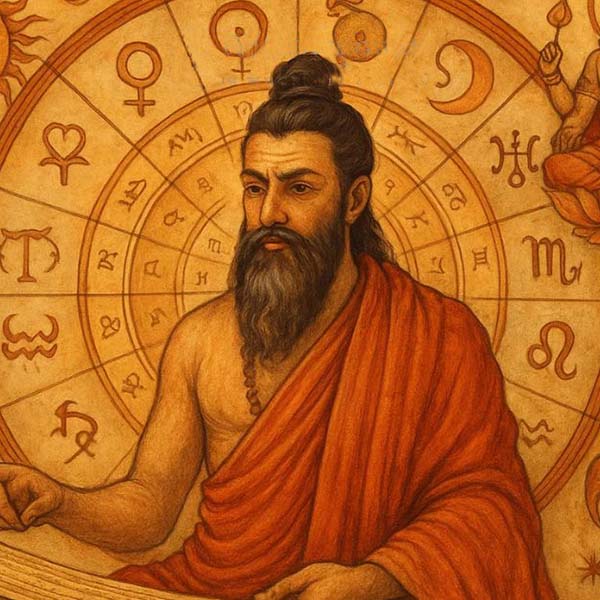
Ancient rishis of Jyotish
Maharishi Parashara – Revered as the Father of Vedic Astrology; the foundational text Brihat Parashara Hora Shastra is attributed to him. His life is described in puranic narratives as that of a tapasvi rishi blessed by higher beings, composing many scriptures after intense spiritual practice
Rishi Bhrigu and Vyasa – Bhrigu is traditionally seen as one of the primal astrologer-sages and a source of Nadi astrology; Vyasa, Parashara’s son, is counted among the rishis who shaped astrological scriptures while also being the compiler of the Vedas and author of the Mahabharata. Their lives are portrayed as those of seers who “saw” karmic patterns and destiny through direct spiritual vision
Classical astrologer mystics
Varahamihira (6th century, Ujjain) – A polymath who wrote Brihat Samhita and Brihat Jataka, blending astronomy, astrology, omens, and mundane predictions. Biographical notes depict him as an accomplished astronomer-astrologer in Ujjain’s scholarly milieu, drawing from Greek ideas yet rooted in the dharmic worldview of cosmic order and auspicious timing.
Kashyap and other seers – Traditional accounts list Kashyap, Vashishta, and other rishis among those who “introduced” astrology and related it to cosmic law and dharma. These lives are less historical biography and more sacred hagiography, presenting them as realized beings whose insight gave birth to Jyotish itself.
Modern Jyotish mystics and gurus
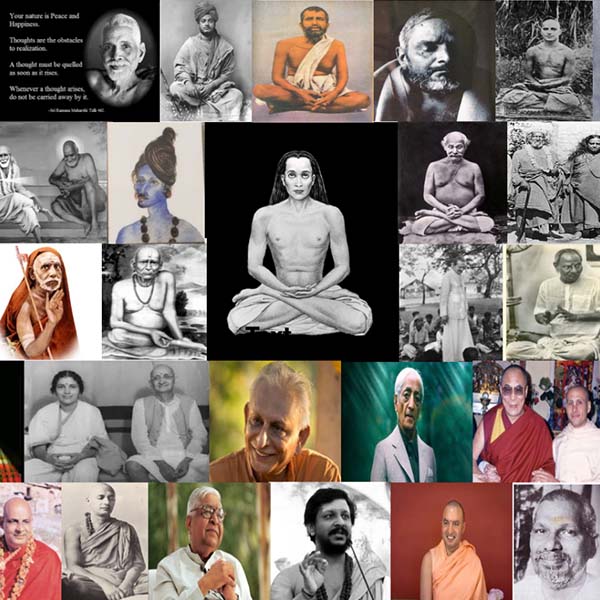
B. V. Raman (1912–1998) – Modernizer and global ambassador of Jyotish, often described as a devout, disciplined practitioner who saw astrology as a spiritual science. Biographical sketches note his efforts to restore Jyotish’s dignity, his austerity in research, and his emphasis that astrology must serve dharma, character-building, and inner growth, not superstition
K. N. Rao (b. 1931) – A leading contemporary Vedic astrologer whose own life story explicitly intertwines mantra-sadhana and Jyotish. His guru, Swami Parmanand Saraswati, told him not to abandon astrology because it was to remain integral to his spiritual path, and later guidance from a great yogi reinforced this union of sadhana and predictive work.
Mystic saints influencing astrologers
Neem Karoli Baba – Although not an astrologer himself, his influence on some modern Jyotishis shows how saints and astrology intersect. For example, Jaipur astrologer Alok Jagawat lists Neem Karoli Baba as his guru and describes coming from a traditional lineage connected to royal courts and sacred lore.
Sri Anandamayi Ma (1896–1982) – A fully mystic life, not centered on astrology, but deeply inspiring to many Vedic astrologers. A Vedic astrologer writing in Hinduism Today recounts how reading about her opened a path into Hinduism and Jyotish, emphasizing her teachings on samskaras, destiny, and the unveiling of the Self as the real purpose behind all karmic patterns.
How to read them as “mystic astrologers”
For scriptural rishis (Parashara, Bhrigu, Vyasa, Kashyap), look at traditional life-stories in Puranas and introductions to Jyotish texts, which portray them as siddha-like seers whose realization allowed them to “see” karma and write astrological shastras.
For historical figures (Varahamihira, B. V. Raman, K. N. Rao), biographies and institutional PDFs (e.g., Bharatiya Vidya Bhavan, Raman & Rajeswari Research Foundation) give concrete life events—education, sadhana, teaching, and how they understood destiny, free will, and spiritual remedies.